For quite some time, health care sector in India India

The country can now boast of a number of corporate hospitals. India
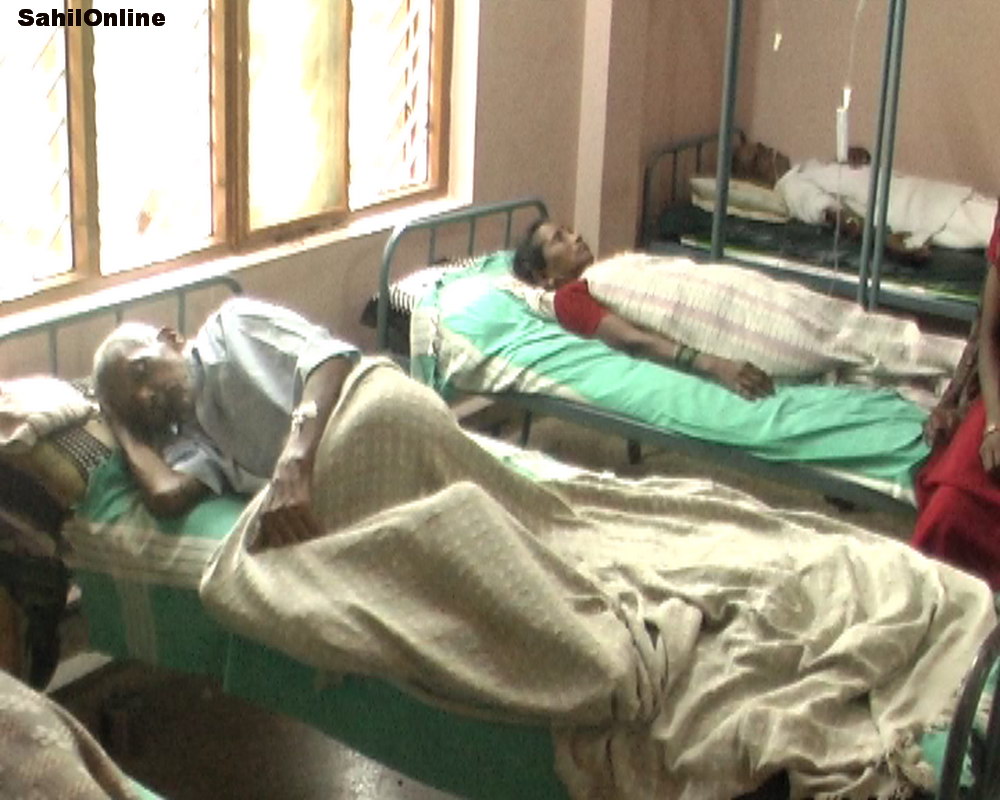
There has been limited growth in the voluntary sector too; however the same cannot be said of the public sector. The physical infrastructure in public sector is woefully inadequate to meet today’s healthcare demands, much less tomorrow’s. Store rooms and toilets of the private hospitals have better infrastructure compared to our Primary health centres (PHCs).

With a few exceptions, such as the All India Institute of Medical Studies (AIIMS), public health facilities are inefficient, inadequately managed and staffed, and have poorly maintained medical equipment. The ones which are staffed do not hold a high promise of their presence. This can surely fuel in tourism, for people interested in looking at 3rd world medical infrastructure dating back to 19th century.
The principal responsibility for public health funding lies with the state governments, which provide about 80% of public funding. The central government contributes another 15%, mostly through national health programs. I am sure, everyone will agree that government funding and its utilization is always subject to interesting stories. So, I will not dwell much into this.

The number of public health facilities also is inadequate. For instance, India
But, we have other set ups to showcase. India

Medical Tourism India India India
Indian hospitals are becoming known internationally for standards of health care delivery, comparable to the best in the world. India

An added plus has been that India
The flow of revenue via medical tourism was fuelling more growth. This cash flow was eating up revenue of the advanced countries healthcare system. There was bound to be a reaction. It’s commonly said “Everything is fair in love and war”. If there is something apart from women that can cause wars that’s money.
An international team of scientists has discovered a new superbug in many people who have recently been in India
In a study published in The Lancet Infectious Diseases Journal, the researchers reported a new gene called New Delhi metallo-beta-lactamase, or NDM-1, which they said makes bacteria resistant to nearly all antibiotics, including the most powerful class called carbapenems. Of all the names in the world, they had to name it after New Delhi
 Lead researcher Timothy Walsh, from
 This virus is bound to infect the health care infrastructure in India
I would be more interested to wait and watch if the treatment cost to common man would dip, following any effect to the medical tourism industry.
This is also a good opportunity for the private sector to open up a percentage of service and profit to the poor and needy. Whether this will happen? We need to wait and watch..